You walk through a field after harvest and the soil feels firm, almost hard beneath your boots. At first glance, nothing seems wrong. Yet below the surface, something important is happening: the roots of your future crops may be hitting a barrier, almost like a wall.
This is soil compaction.
What exactly is compacted soil?
Imagine soil like a sponge. In its natural state, healthy agricultural soil contains many small empty spaces, called pores, filled with air and water. These spaces allow roots to grow, water to move through the soil, oxygen to reach living organisms, and earthworms and microorganisms to thrive.
When soil becomes compacted, it is like squeezing a sponge so tightly that it can no longer return to its original shape. Soil particles are pushed closer together, pores disappear, bulk density increases, and porosity decreases [2]. As a result, air, water, and roots have much less room to move.

Soil compaction is most often caused by repeated traffic from machinery, especially when field is performedin wet conditions [3]. Many factors are at play but often heavier the equipment or machinery, the greater the risk of compaction becomes [4].
Why is soil compaction harmful to crops?
Compacted soil is not just a visual concern; it has very real consequences on crop performance.
Roots remain near the soil surface
Without enough pores to move through, roots struggle to grow deeper into the soil profile. The result is a weaker root system that is more vulnerable to drought because the plant cannot access deeper water and nutrients.
Water becomes trapped in the soil or runs off
Compacted soils have poor drainage. Rainwater struggles to infiltrate, which can create waterlogged areas that suffocate roots while leaving other areas lacking moisture. It can also increase erosion risks.
A soil that cannot breathe
Microorganisms responsible for transforming organic matter into available nutrients need oxygen to function properly. When oxygen is limited, soil biological activity slows down, reducing the natural fertility of the field.
Yield potential decreases year after year
Deep soil compaction can affect field productivity for several decades [5]. This is not a problem that can always be solved in a single season.
A simple comparison: a healthy soil is like a well-designed apartment where every room has a purpose. In the soil, Air circulates, water moves freely, and roots have space to expand. A compacted soil is the same apartment, but with the walls slowly closing in, making movement difficult for everything living inside.
How to identify soil compaction
Several signs can indicate a compacted soil:
- Roots growing horizontally rather than downward or forming “L” or “J” shapes when they encounter a hard layer.
- Water remaining pooled after rainfall, even several hours later.
- Uneven crop growth, often visible in wheel tracks.
- Soil that is difficult to work, producing large, hard clods.
Preventing soil compaction before it happens
The good news is that soil compaction is not inevitable. Several management practices can help reduce the risk:
Limit traffic on wet soils
Compaction risk is highest when soils are wet, regardless of soil type [3].
Reduce ground pressure
Using wider tires, dual tires, or adjusting tire pressure can help reduce pressure applied to the soil.
Diversify crop rotations
Including diverse rotations and, when possible, perennial crops can improve soil health. Systems that include perennial crops generally show better soil conditions compared with annual crop systems alone [6].
Support soil life
Increasing organic matter helps create a stronger soil structure that is more resilient and resistant to compaction.
TIMAC AGRO +
Once soil compaction has developed, restoring soil structure and biological activity requires support. This is where Humistart, a soil conditioner developed by TIMAC AGRO, can play an important role.
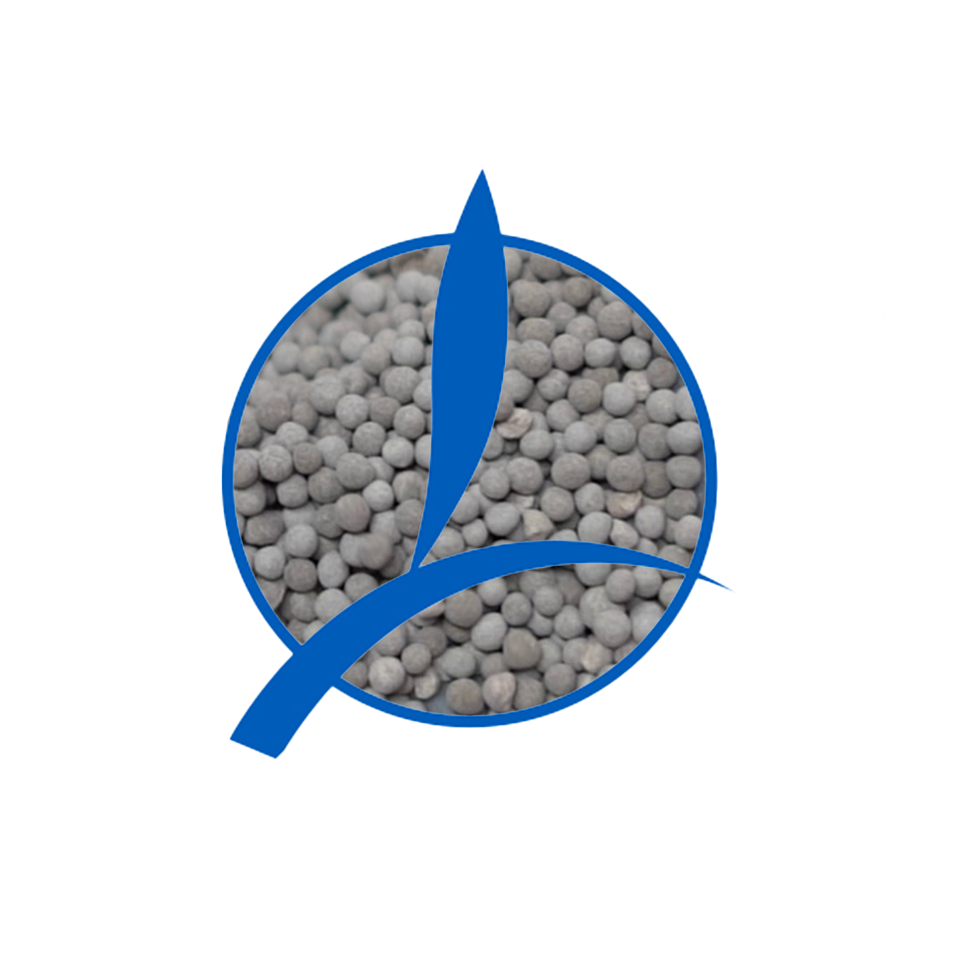
Made from Calcimer, an exclusive marine mineral, Humistart is recognized for helping improve soil structure. The labile calcium it contains promotes the formation of stable soil aggregates, helping improve soil porosity as well as water and air infiltration. These improvements support better drainage and create an environment that encourages root development [7].
Humistart also acts as a highly soluble granular soil conditioner, providing available forms of calcium and sulfur while stimulating soil microbial activity [8]. By promoting stronger root development, Humistart helps plants explore a larger volume of soil, improving their ability to absorb water and essential nutrients required for crop growth [8].
Humistart does more than simply “correct” compacted soils: it helps make soils more active and alive, allowing them to regain their natural ability to breathe, drain properly, and support root growth season after season.
Building soil health takes time
Soil health is built over the long term, much like human health. It requires consistent attention rather than occasional solutions.
By monitoring soil compaction and providing the right conditions for soil life, farmers can protect both today’s yields and the productivity of future seasons.
Sources
[1] Agrireseau, INPACQ Field Crops Conference — Soil Health and Soil Compaction in Montérégie (February 5, 2025)
https://www.agrireseau.net/documents?r=compaction+des+sols
[2] MAPAQ, Agricultural Soil Compaction
https://www.mapaq.gouv.qc.ca/fr/Regions/abitibitemiscamingue/brininfo/Pages/Lacompactiondessolsagricoles.aspx
[3] CRAAQ / CPVQ, Compaction Issues — Conservation Practices Guide for Field Crops
https://www.agrireseau.net/agroenvironnement/documents/Probl%C3%A8mes%20de%20compaction.pdf
[4] VIA 90.5, Agriculture: The Importance of Maintaining Soil Quality
https://www.via905.fm/agriculture-il-faut-faire-attention-a-la-qualite-de-notre-sol
[5] IRDA, Terranimo: A Tool to Assess Soil Compaction
https://irda.qc.ca/fr/outils/terranimo-outil-evaluation-compaction-sol/
[6] Organisme de bassin versant de la baie Missisquoi, Large Study on the Health Status of Agricultural Soils in Quebec
https://obvbm.org/vaste-etude-sur-letat-de-sante-des-sols-agricoles-du-quebec/
[7] TIMAC AGRO Canada, Get More Bang for your Bank with Humistart-PhysioPro
https://ca.timacagro.com/2021/11/18/get-more-bang-for-your-bank-with-humistart-physiopro/
[8] TIMAC AGRO USA, Humistart
https://us.timacagro.com/products/plant-nutrition/soil-conditioner/humistart/